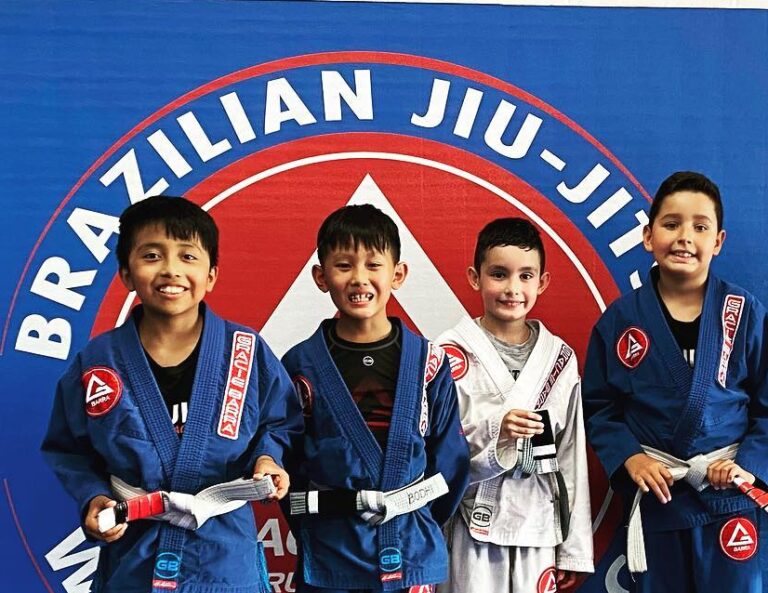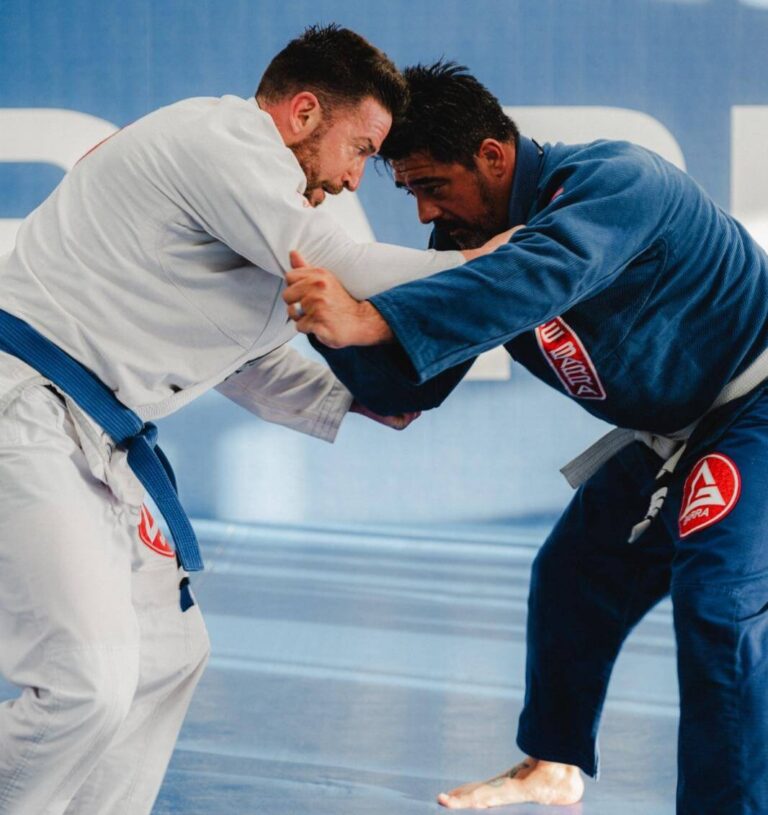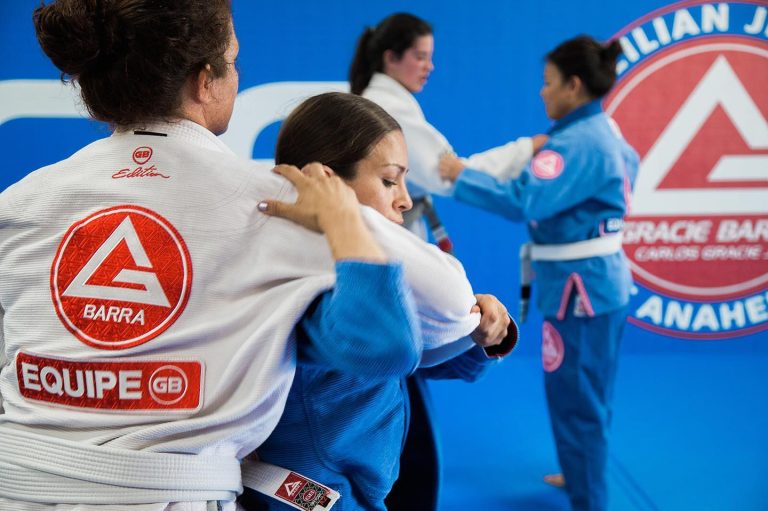
Why So Many Parents Ask About Kids Tournaments
Sooner or later, parents of young grapplers hear about an upcoming event and start wondering whether their child should sign up. The question behind it is usually simple: is BJJ competition for kids worth the nerves, the early morning, and the chance of a tough loss? For children who already enjoy training, a well-chosen tournament teaches things that are hard to reproduce in a regular class. Those benefits are real, but they depend on timing, preparation, and how the adults around the child frame the day.
This article looks at what competing actually teaches, why a loss can be as useful as a medal, and how to judge whether your child is ready. Whether your family already trains at Gracie Barra West Anaheim or you are still comparing options, the same questions apply: what does a tournament add, and what should you watch for?
DISCOVER Gracie Barra West Anaheim
CLICK HEREWhat Competing Teaches That Regular Class Can’t
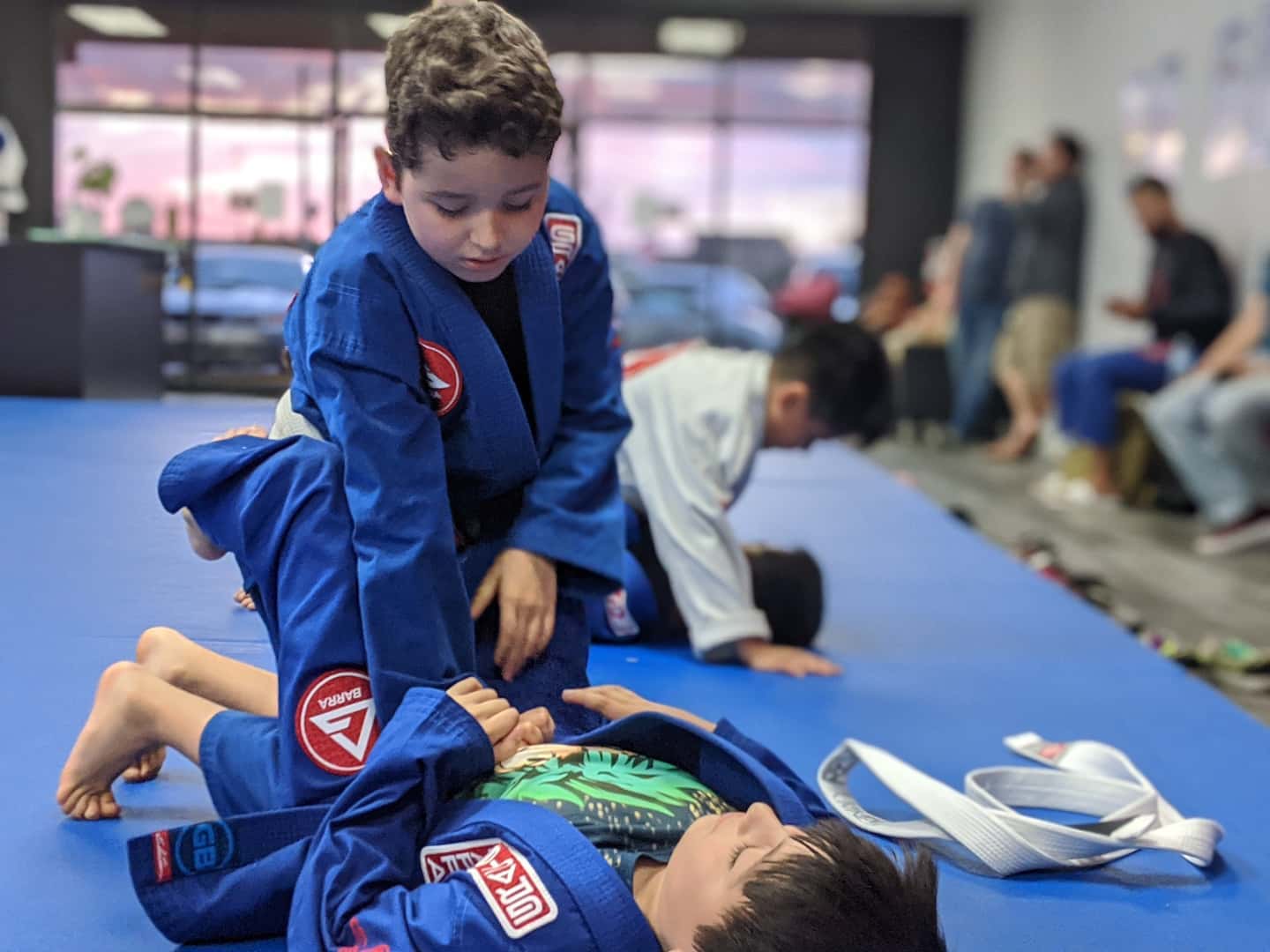
In class, kids drill with partners they know, in a room they know, with a coach a few feet away. A tournament changes all of that at once. Your child steps onto an unfamiliar mat, faces someone they have never met, and has to start the match while their heart is racing. Learning to function while nervous is one of the clearest benefits of competition, and it carries over to school presentations, tryouts, and other moments that feel big to a child.
Competition also gives training a concrete target. A child who knows an event is six weeks away tends to pay closer attention to details that felt optional before, such as keeping a grip or finishing a sweep instead of stopping halfway. The goal is short-term and specific, which fits how most kids think about time.
Rules shape the experience too. Youth divisions are usually grouped by age, weight, and belt, so understanding the youth belt progression from white through green helps parents make sense of brackets. Federations such as the IBJJF also publish a chart of illegal moves by age and category, and kids divisions restrict many techniques adults are allowed to use. Knowing these limits ahead of time makes the event far less mysterious for both of you.
Winning, Losing, and the Lessons in Between
Every bracket produces more losses than wins, simply because each match has one winner. That math sounds discouraging, but it is part of why competing helps kids grow, as long as the result is put into context.
Handling a Loss Without Losing Confidence
A child who loses a match gets clear, honest feedback: something did not work against that opponent on that day. With a calm adult nearby, that can turn into a useful conversation about what happened, rather than a verdict on whether they are “good at jiu-jitsu.”
This is where habits built in regular training show up. Kids who have practiced staying with a hard position for a few more seconds, the kind of patience and frustration tolerance that structured BJJ classes build, usually bounce back from a loss faster. The tournament simply tests that skill in a more emotional setting.
Why Winning Needs Context Too
Winning feels great, and it deserves to be celebrated. The risk is that a child starts measuring their worth by medals. Praising specific moments, like “you kept your posture in his guard the whole match,” keeps attention on skills they can repeat instead of a result that partly depends on who else showed up in the bracket.
How to Tell If Your Child Is Ready for a First Tournament
Readiness has less to do with age than with how a child relates to training. Good signs include attending class consistently, knowing basic positions well enough to recognize where they are during a match, and showing their own curiosity about competing rather than being pushed into it.
Preparation also looks a little different from a typical class. If you want a sense of how tournament-focused sessions are organized, this overview of competition training with timed rounds and situational sparring shows the kind of work involved. For a child, a lighter version of the same idea, such as a few timed rounds or practicing how a match starts, is often enough before a first event.
Signs It May Be Worth Waiting
If your child gets very upset after losing a game, still struggles to follow instructions during drills, or only wants to compete because a friend is going, waiting a few months is a reasonable call. Plenty of children get everything they need from age-based kids jiu-jitsu classes for a long time before entering a bracket, and some never compete at all. That is a valid choice, not a missed opportunity.
Practical Ways Parents Can Keep the Experience Positive
The way you talk about the event shapes how your child experiences it. Before signing up, ask your child’s instructor at Gracie Barra West Anaheim whether they think your child is ready and which division makes sense. Instructors see how kids handle pressure in class, and that view is worth more than a guess based on age alone.
On the day itself, keep your role simple. Help with weigh-in, snacks, and finding the right mat, and leave technical instructions to the coach so your child is not hearing two voices at once. Afterward, ask open questions like “what felt hard?” or “what did you try?” before sharing your own opinion. Kids tend to remember how the adults reacted long after they forget the score.
What a Good First Tournament Day Looks Like
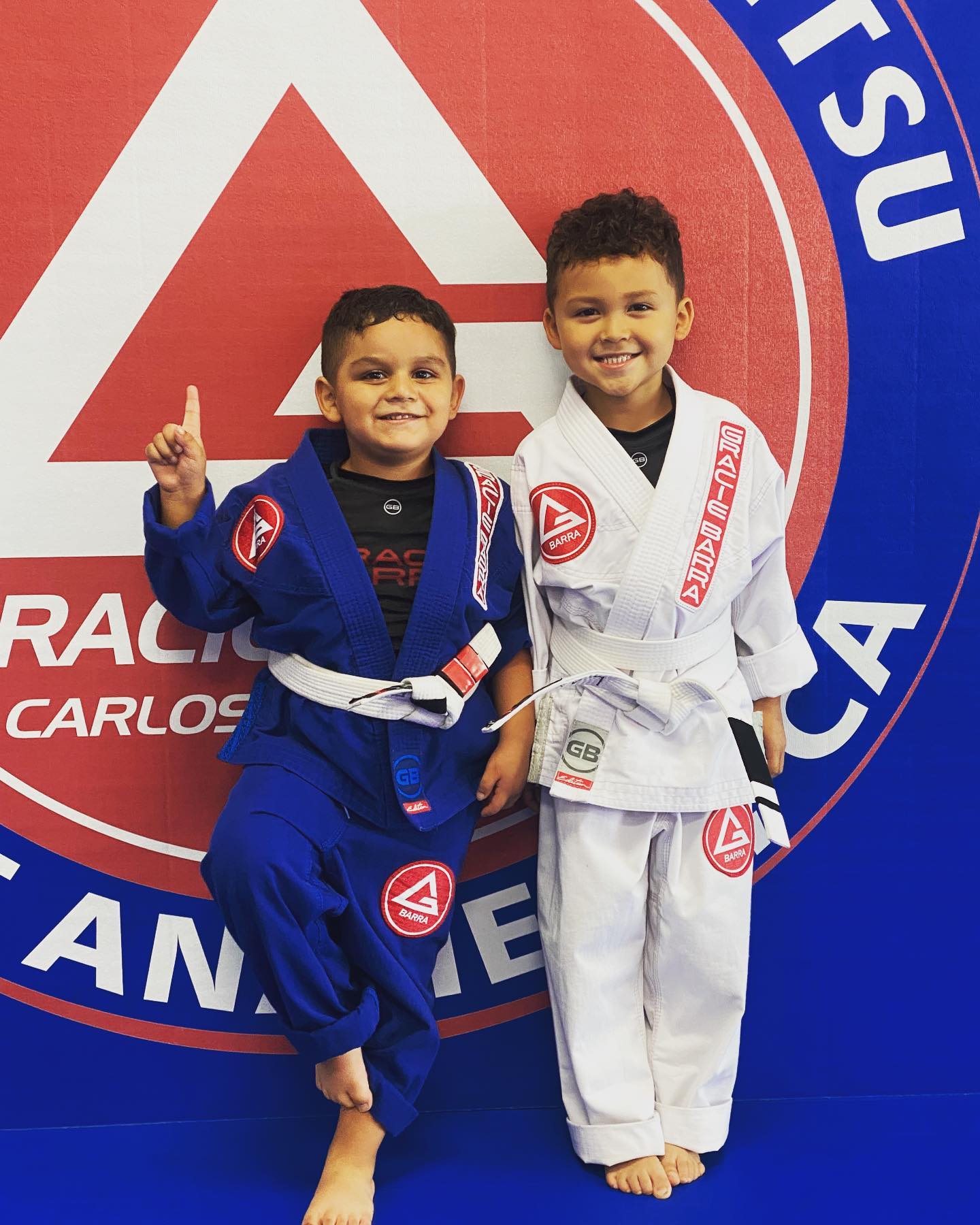
Picture a hypothetical eight-year-old at her first event. She is nervous at weigh-in, loses her first match on points, and wins a close second one after nearly getting swept. On the drive home, she talks mostly about the moment she escaped a bad position and asks when the next class is. By any useful measure, that is a successful day, because she learned something specific and wants to keep training.
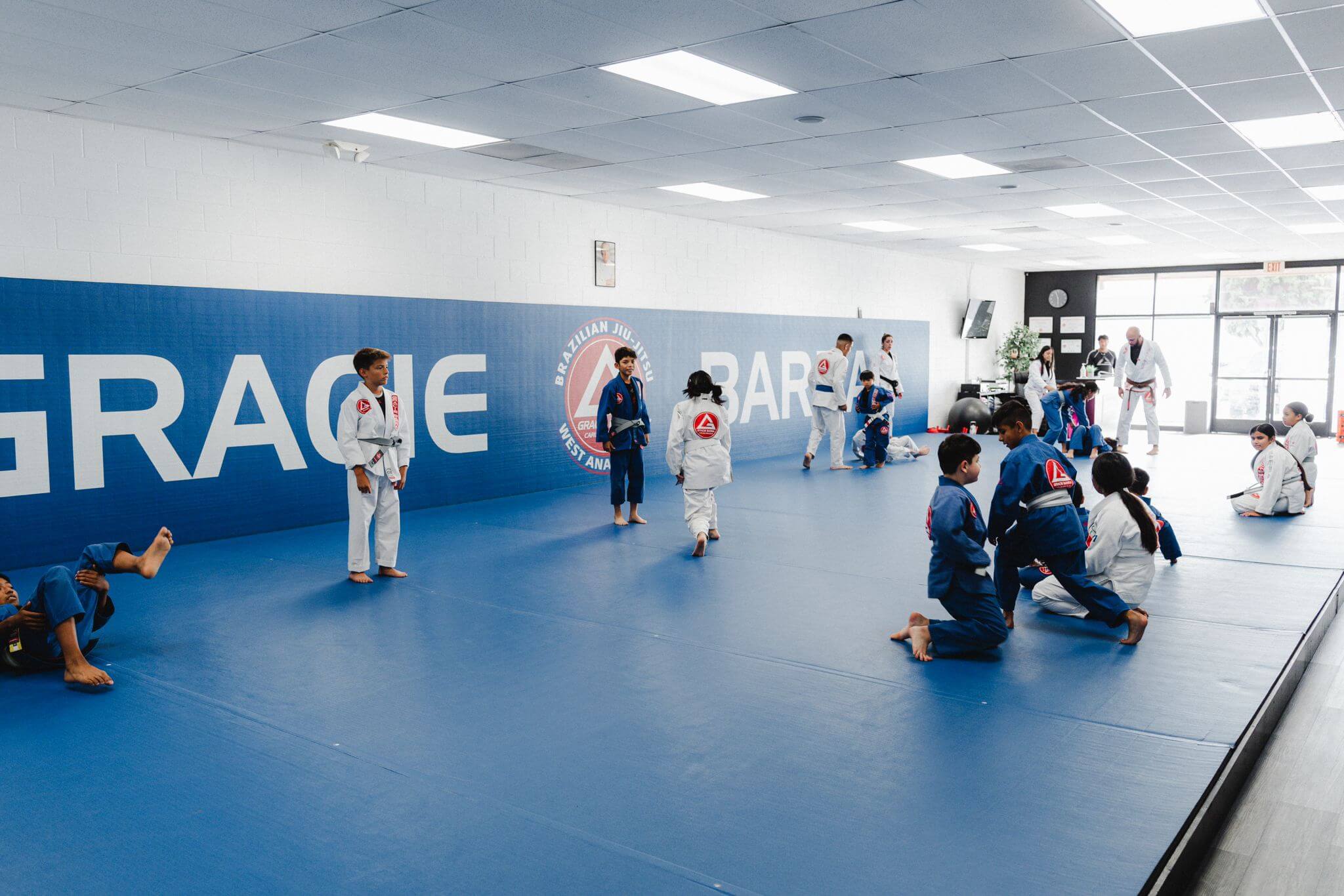
That kind of outcome is the real goal for a first tournament. As kids get older, competition can become a bigger part of their training if they want it to, and programs like the juniors and teens classes for ages 10 to 14 are where that longer-term development usually continues.
DISCOVER Gracie Barra West Anaheim
CLICK HEREIs BJJ Competition for Kids Worth It?
For a child who enjoys training and feels supported, BJJ competition for kids offers lessons in handling nerves, accepting feedback, and working toward a short-term goal that are hard to find anywhere else. The value comes less from the medal than from the preparation beforehand and the conversation afterward.
If you are considering it, a good next step is watching a kids tournament in Southern California together before signing up, so your child can see what the day looks like without any pressure to perform. Families at Gracie Barra West Anaheim can then bring what they noticed to the coaching staff and decide on timing together.